The LAST Research Career Acceleration Program you'll ever need.
The LAST Marketing Software You’ll Ever Need
The only Claude AI Mastery Programme built for Indian Researchers who want to fast-track their Research Career without the tech struggles, confusion, or wasted time

Finally You Have Everything You Need In to accelerate your Research Career
An easy to understand, AI-powered system that does all the hard work for you to get navigate Research Career with peace and confident
Complete your literature review in weeks, not months
Use Claude's synthesis engine and gap analyser to move from 50 scattered papers to a coherent, examiner-approved literature review chapter — in a fraction of the traditional time.
Write publication-quality academic English with confidence
Eliminate the 20 common Indian researcher writing patterns that trigger examiner criticism. Produce PEEL-structured, appropriately hedged, citation-rich academic prose using the Claude writing audit workflow.
Analyse your data and write results without anxiety
Select the right statistical test, check assumptions, paste output into Claude, and receive a correctly formatted APA results paragraph — every time. Qualitative coding supported through every phase.
Publish in a legitimate, indexed journal before thesis submission
Select the right journal using the 7-factor framework, avoid predatory publishers completely, write a compelling cover letter, and submit a manuscript that meets UGC-CARE and Scopus standards.
Meet Your Coach
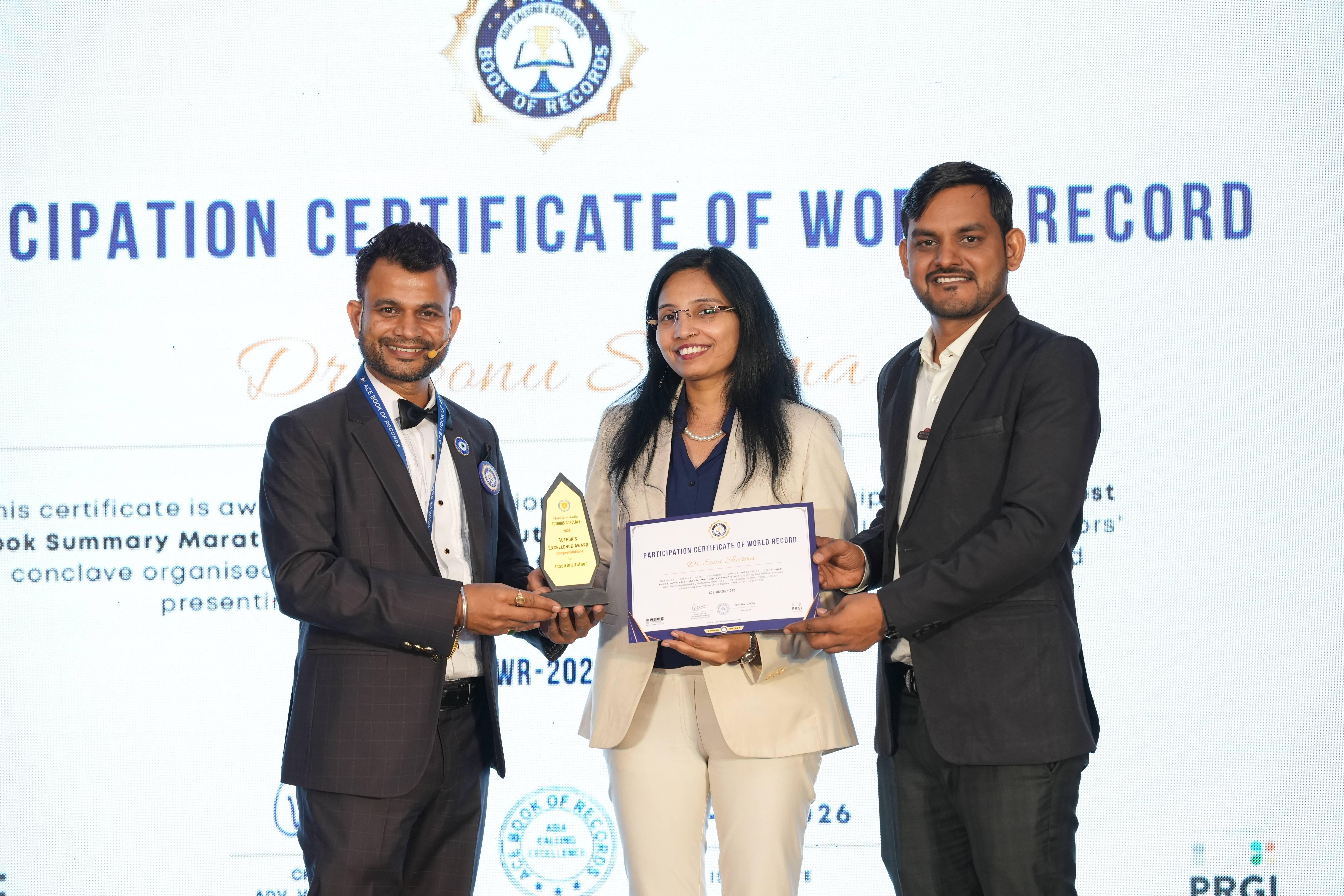
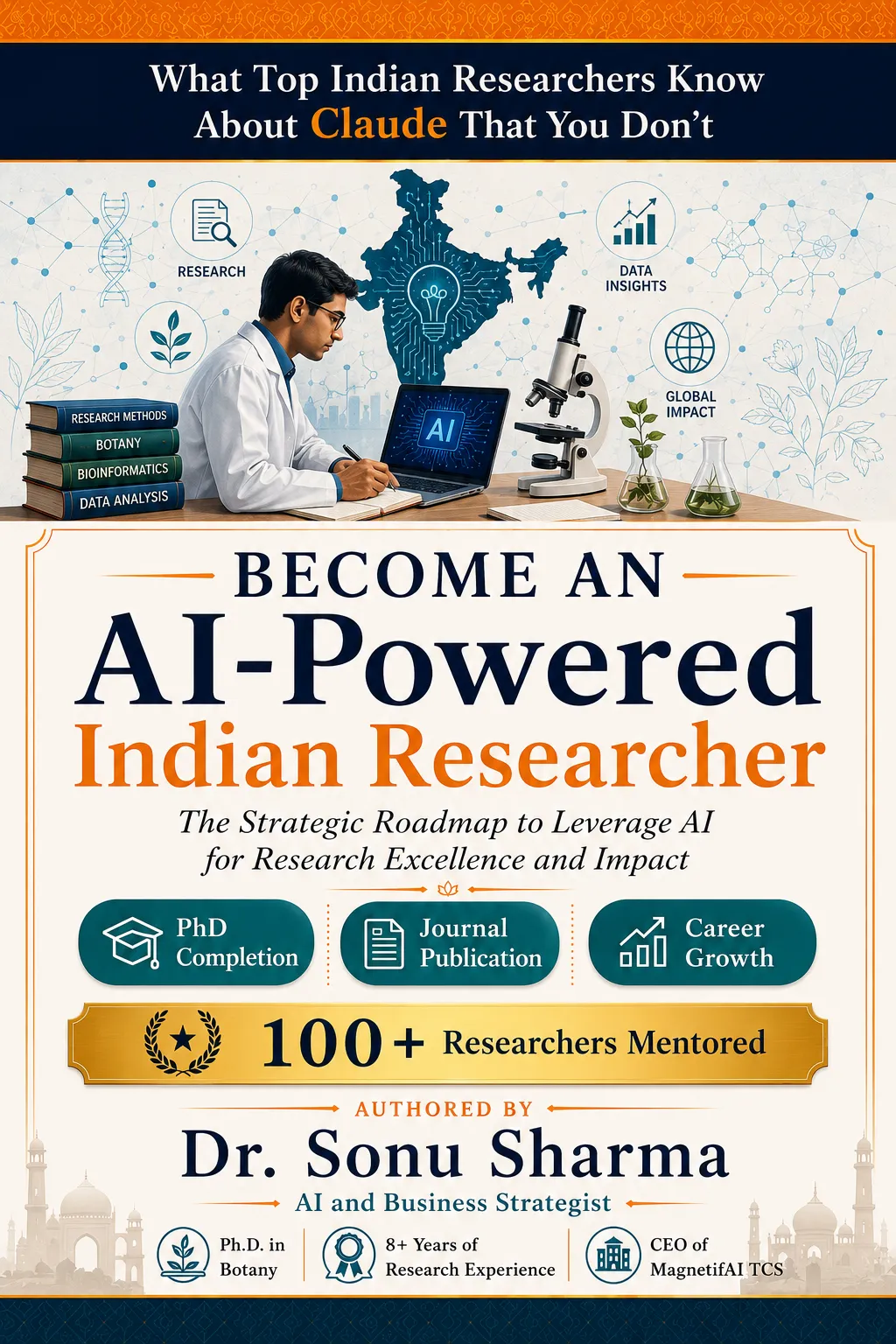
Dr. Sonu Sharma isn't your typical research coach.
She's a mom, a doctor, a visionary — and the woman who is building a thriving AI coaching empire from ground zero.
As the Founder of MagnetifAI Training and Consulting Services, she has helped hundreds of moms across India use AI for career and build remote businesses that generate real income, real freedom, and real self-respect.
Her upcoming book "Awaken Your Inner Shero" is already creating waves in the coaching world — because it tells the truth no one else will say: you were never the problem. The system was.
BONUS WORTH INR 10,000/- ABSOLUTELY FREE
Our Clients Love it
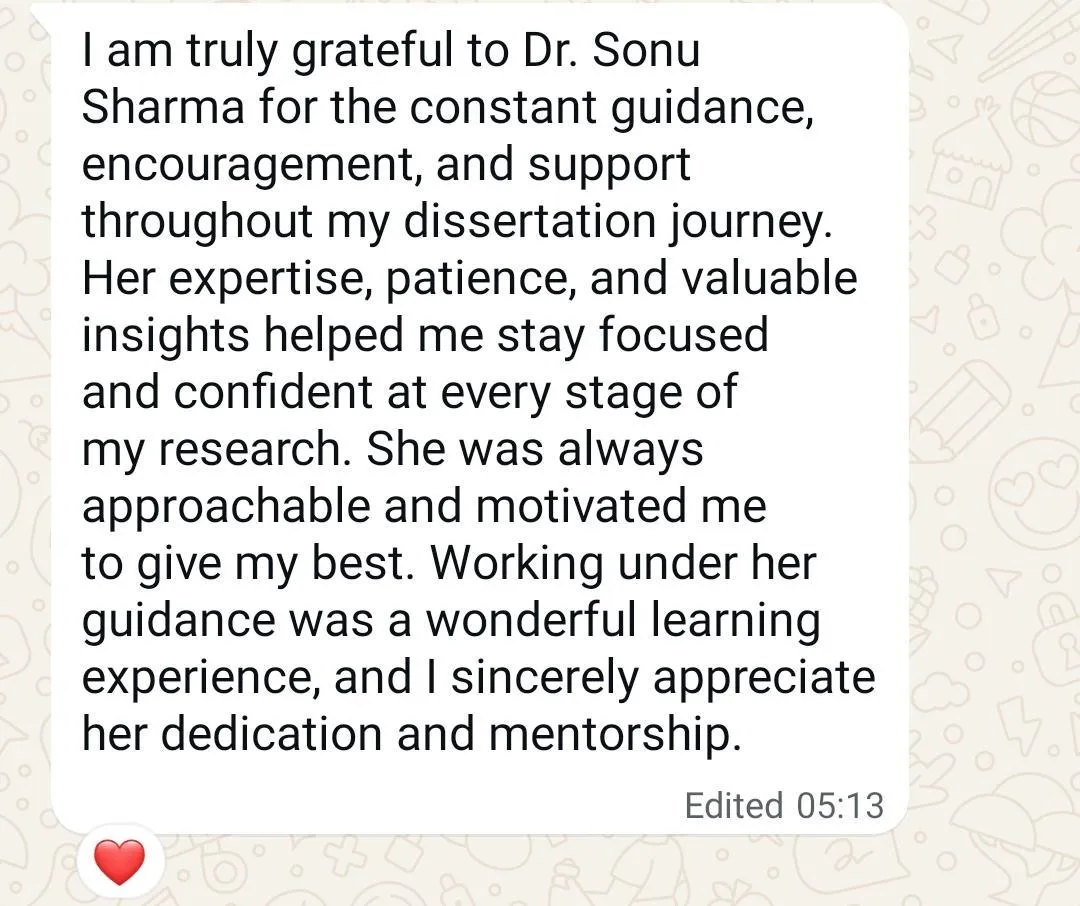
Dr. GLORY

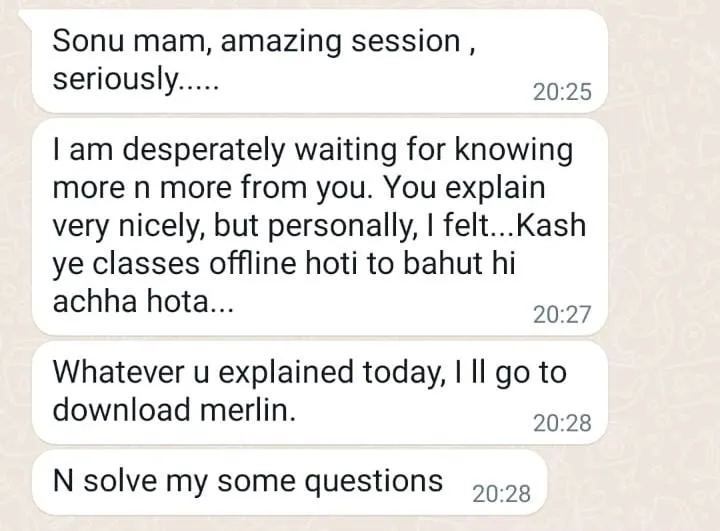
Dr. NILESH GUPTA
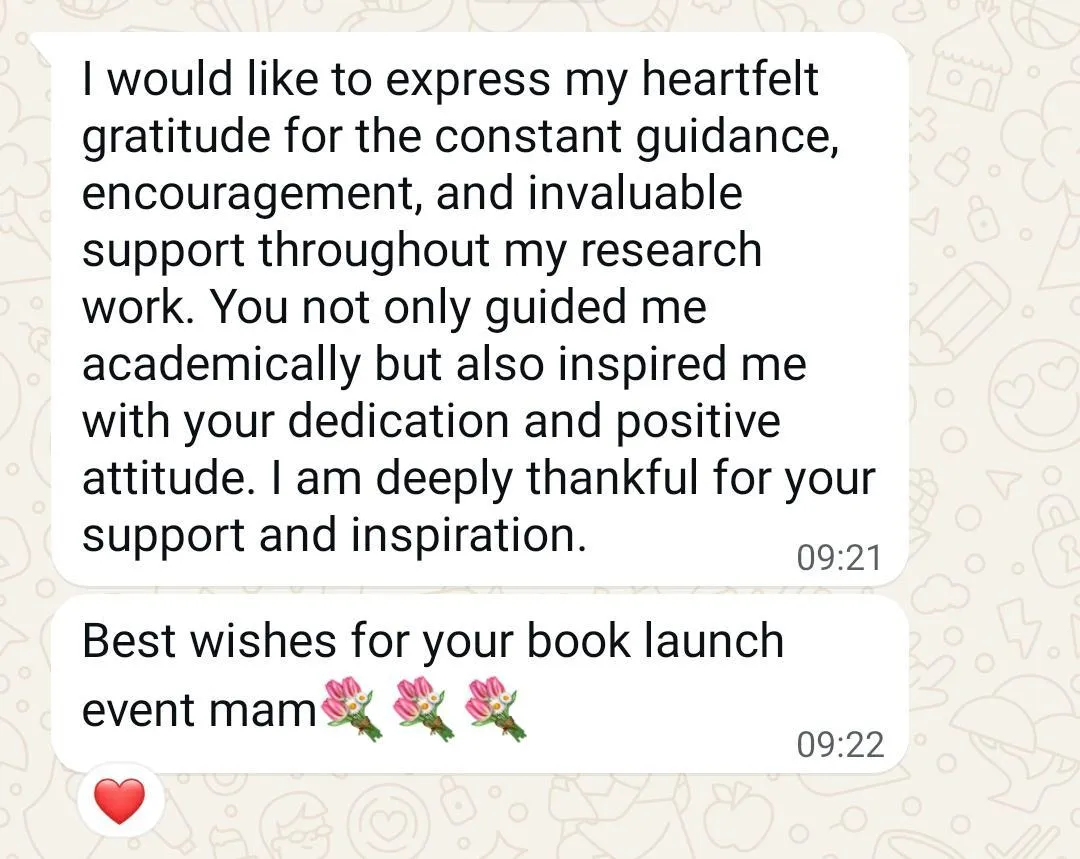
KAVYA, Ph.D. Student at Mysore
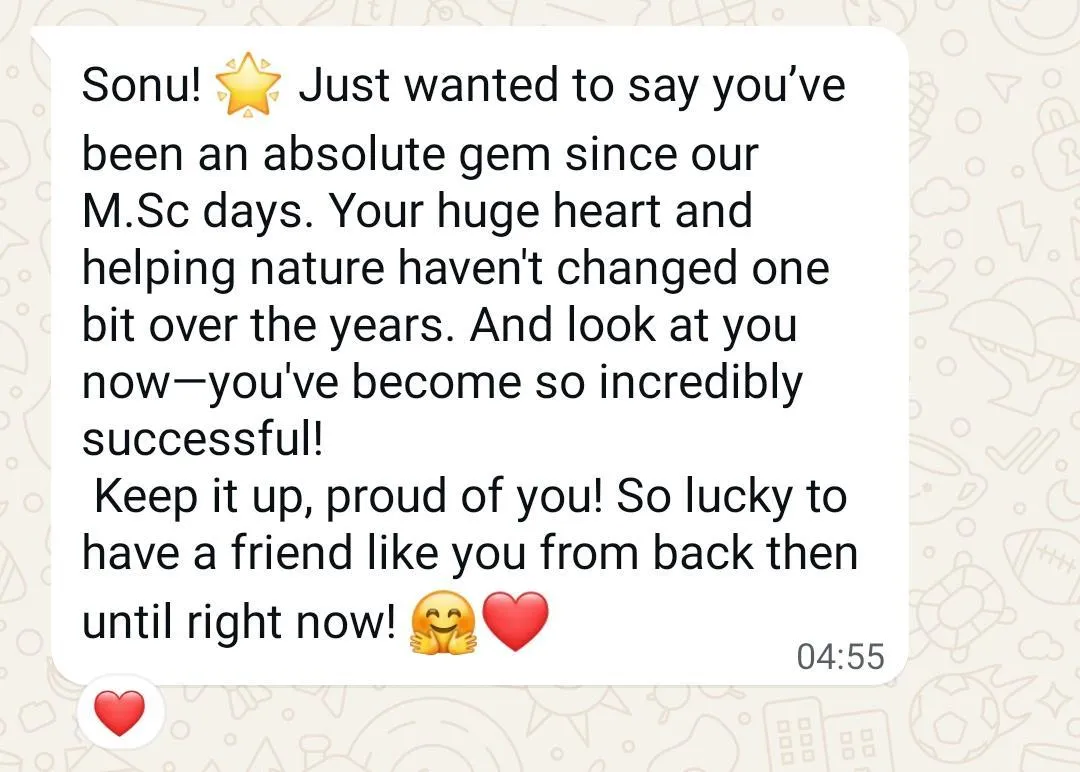
Dr. ASHA JOSHI
Frequently Asked Questions
GOT QUESTIONS?
Is this course right for me if I'm still early in my PhD or don't have a paper in progress yet?
Absolutely — in fact, this is the ideal time to start. The earlier in your research journey you build AI-powered habits, the more time you save over your entire PhD. You don't need a paper in progress to benefit from Weeks 1 and 2, which focus on literature discovery, reading, research question formulation, and study design. These are the skills that give you a head start long before you write a single word of a paper.
Students at every stage enroll — from first-year PhD candidates mapping their research landscape to final-year students polishing their thesis and preparing their first journal submission. Each module is designed so you apply it directly to whatever you're working on right now.
Do I need a paid Claude subscription, or will the free version work?
The free tier of Claude is sufficient to complete the majority of the course. Most daily tasks — paper analysis, literature synthesis, writing assistance, prompt refinement — work well within free-tier limits, especially if you work through one module per day as intended.
A Claude Pro subscription (currently $20/month) is worth considering if you plan to analyze long PDFs, paste full paper drafts, or run multiple deep analysis sessions per day. That said, we've designed every prompt in this course to be efficient and focused so you get maximum output from minimum input — free or paid.
How much time do I need each day? I already have a packed research schedule.
Each day is designed to take 45–90 minutes, structured around a single focused outcome. You don't need a free day — you need one focused hour. Most participants complete their daily session during what was previously "dead time": the two hours that used to be spent re-reading the same paragraph or staring at a blank page.
The course is also designed to be cumulative, not sequential. If you miss a day, you don't fall behind — you simply pick up the next morning. Many researchers complete the course over 45–50 days instead of 30 and still report the same transformative results. Progress over perfection is built into the design.
Will using AI to help write my paper compromise my originality or academic integrity?
This is the most important question to ask — and the right one. This course explicitly teaches you to use Claude as a thinking tool and drafting accelerator, not as a ghostwriter. Every module reinforces that you provide the ideas, the data, the analysis, and the intellectual argument. Claude helps you express them more clearly, more quickly, and more consistently.
I'm not technically minded. Do I need any coding or AI experience to follow along?
Zero technical background is required. This course is built for researchers, not engineers. You interact with Claude entirely through plain English — there is no code to write, no API to configure, and no software to install beyond the free Claude web interface at claude.ai.
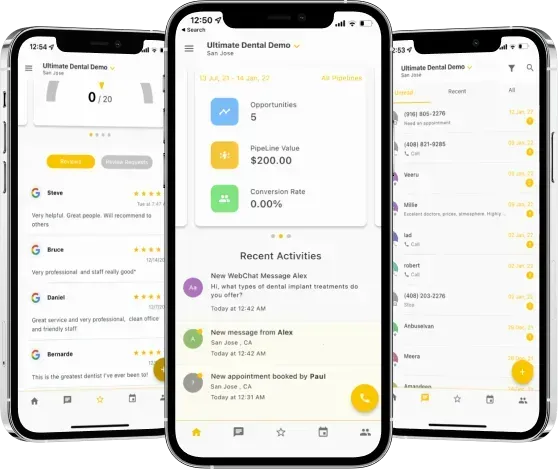
Make Sales On The Go With Our Mobile App
Get real-time notifications straight to your phone
Chat with your clients & leads right from the app
Download Here: